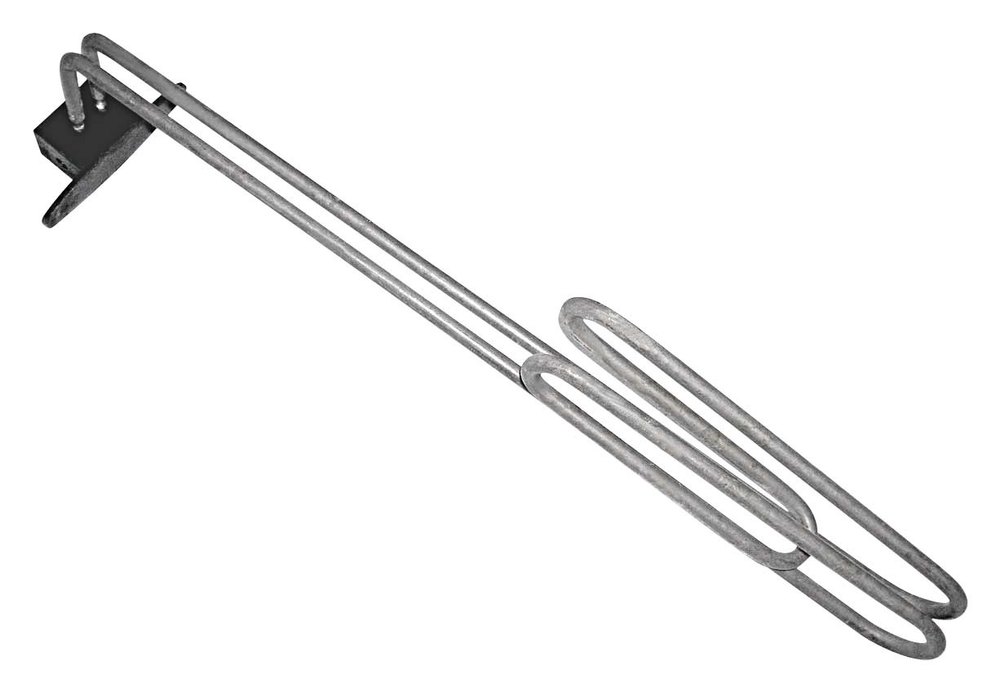
Heating Element Manufacturer in Delhi
Availability:
In Stock
₹400
/ Piece
All Taxes Included
Safe & Secure Payments
Pay via UPI, Cards, Bank or Cash on Delivery
Technical Specifications
| Specification | Details |
| Product Category | Industrial/Commercial Heating Elements |
| Manufacturing Type | Standard + Customized fabrication |
| Element Types | Tubular, Immersion, Finned, Duct/Air Heater, Cartridge/Coil |
| Power Range | 0.5kW to 30kW (application based) |
| Voltage Options | 110–120V / 220–240V / 380–415V |
| Sheath Materials | SS 304 / SS 316 / SS 321 / Incoloy (use-case dependent) |
| Diameter Options | 6.5mm / 8mm / 10mm / 12mm (custom possible) |
| Mounting Types | Threaded, Flange, Clamp, Brackets |
| Temperature Capability | Up to 750°C (model & conditions dependent) |
| Control Compatibility | Thermostat / PID / Thermocouple support |
Product Details
Why choosing a Heating Element Manufacturer in Delhi is a smart decision?
In industrial and commercial industries, a heating element is not just a basic part, but a core component of performance. If the element quality is weak or the specifications don't match, problems quickly arise—such as uneven heating, frequent burnouts, high electricity consumption, and machine downtime. That's why when you look for heating element manufacturers in Delhi, the intention is usually: "I need a manufacturer who can provide a reliable supply with the right materials, correct wattage, and proper build."
Delhi has a strong manufacturing ecosystem, where you get multiple options—including custom manufacturing along with standard models. One practical benefit of choosing a local manufacturer is faster communication, quicker design approvals, and better after-sales support. If your unit is in Delhi/NCR, lead time and logistics costs are also comparatively under control.
Another important point: heating element selection is not a "one-size-fits-all" approach. Water heating, air heating, oil heating, or surface heating—each application has different requirements. A good manufacturer understands your requirements and suggests an element design accordingly—to maintain safety, lifespan, and efficiency.
Product Range and Applications of Delhi Manufacturers
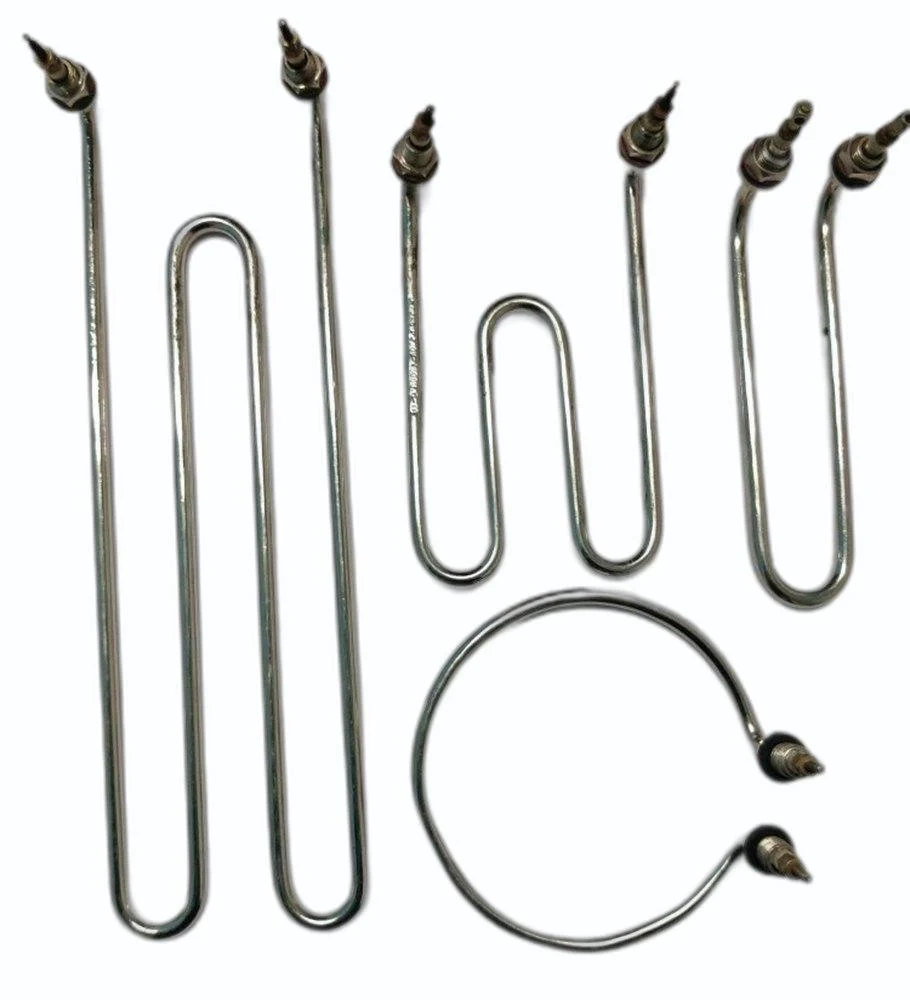
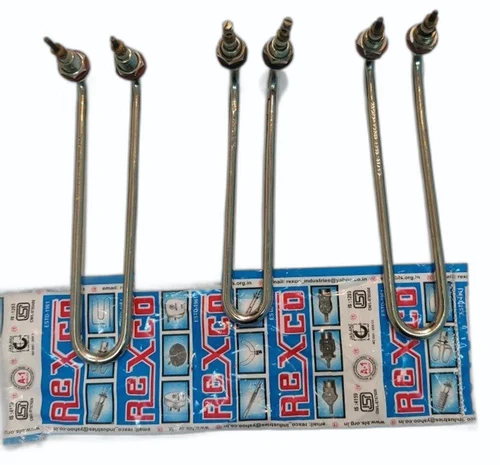
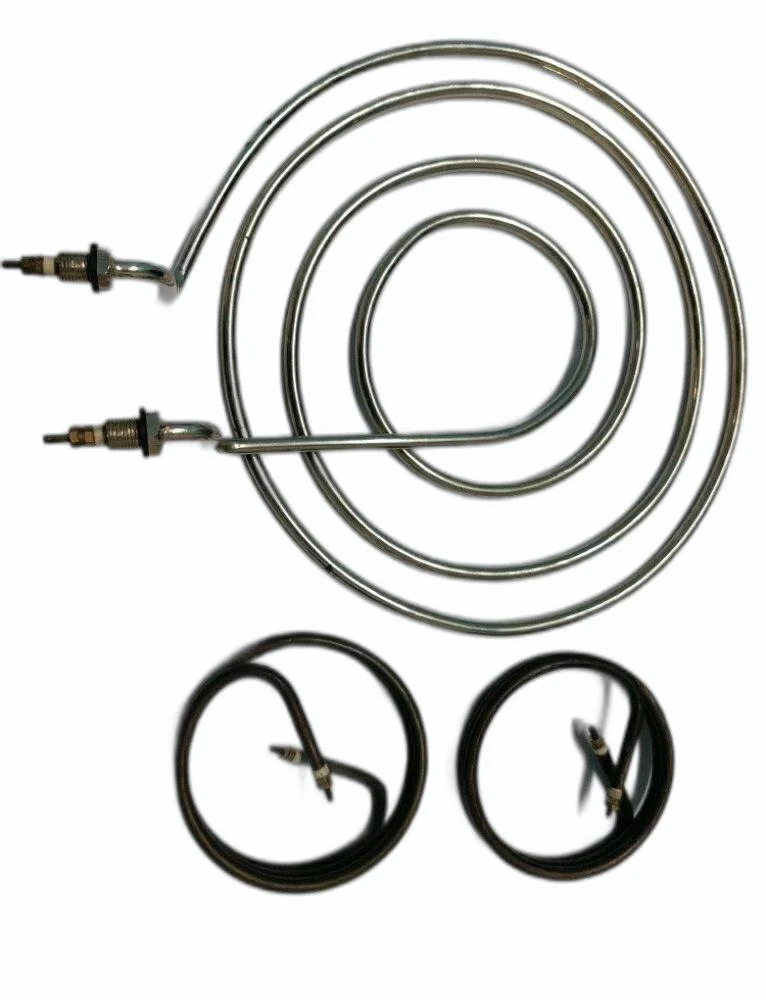
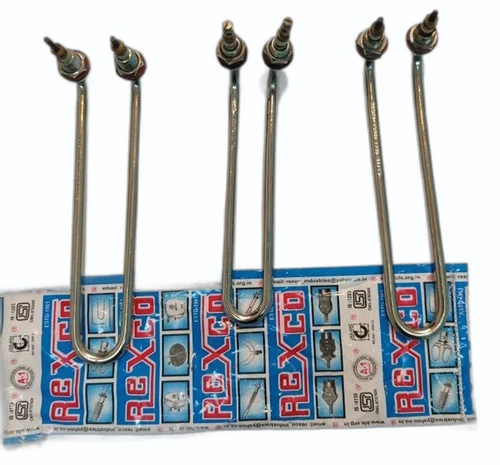
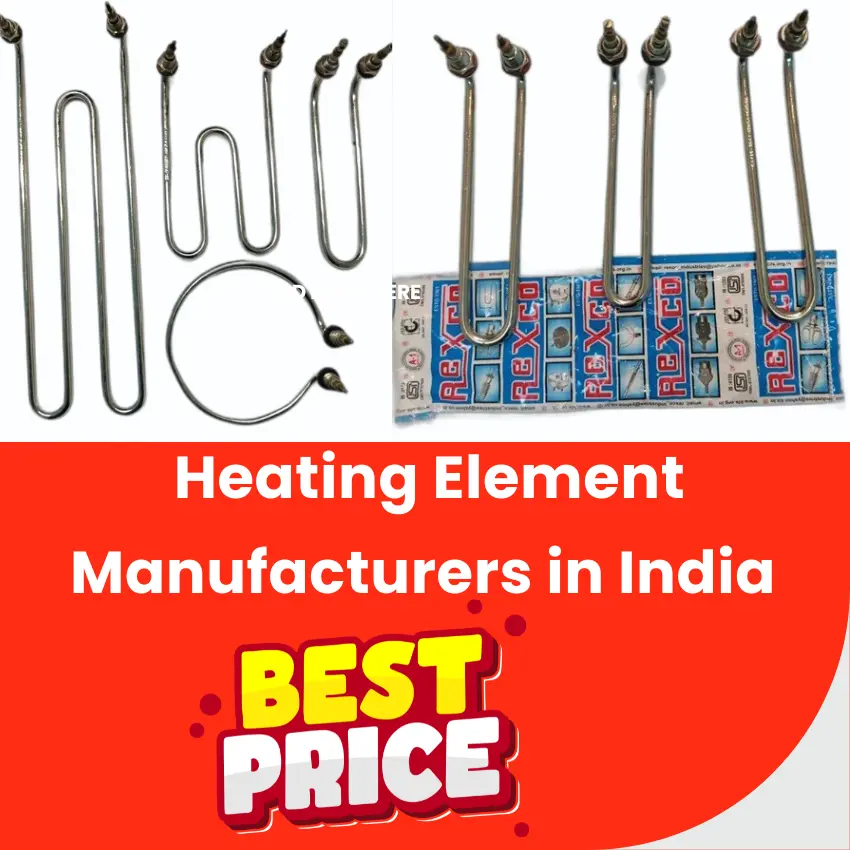
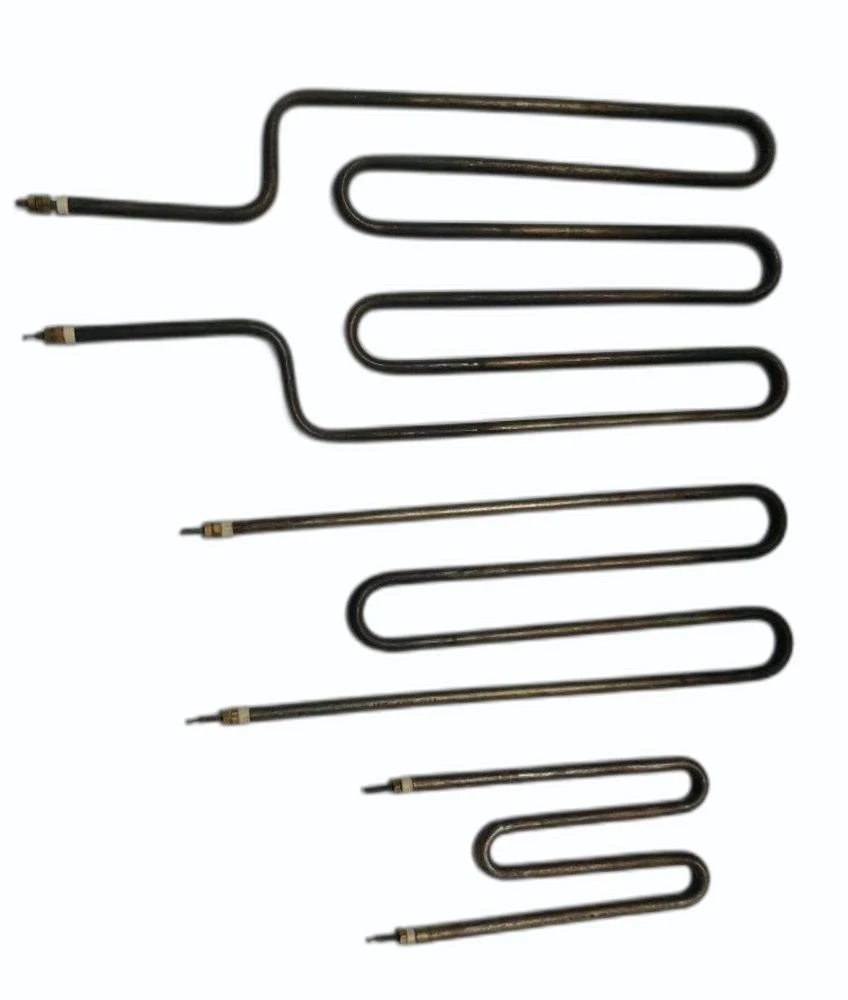
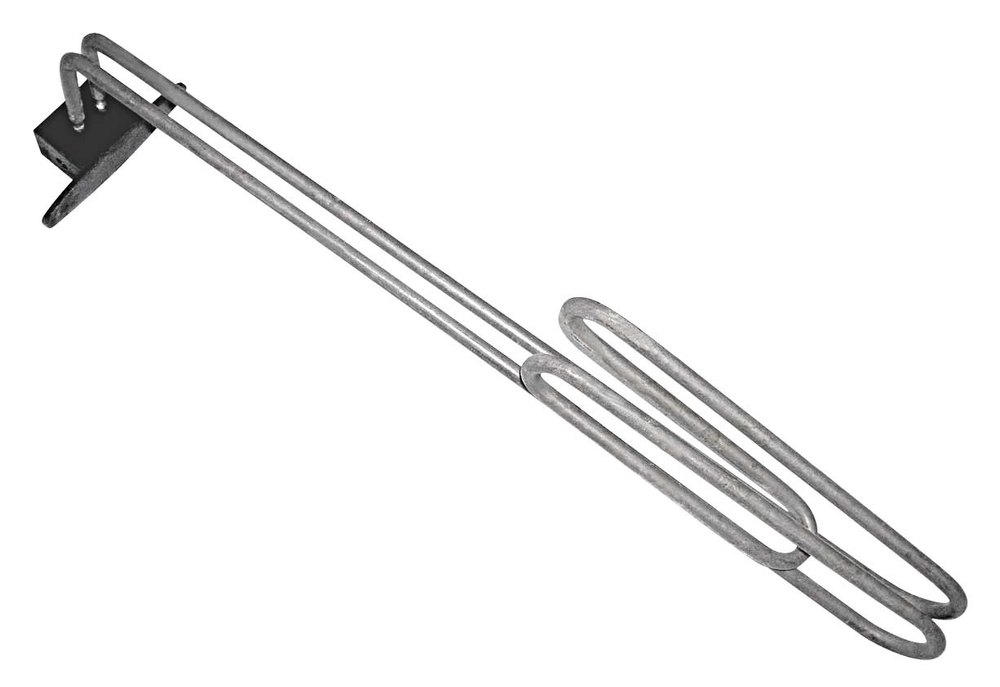
Heating element manufacturers in Delhi generally cover a wide range, supporting various industries. The most common and versatile option is the tubular heating element. It can be made in straight, U-shape, W-shape, round coil, or custom bending. Tubular elements are used in water tanks, ovens, hot plates, mold heating, packaging machines, and industrial equipment.
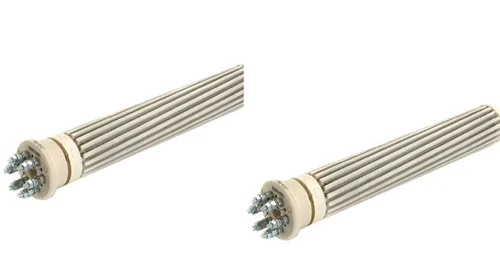
Immersion heaters are also quite popular, especially for water tanks, geysers, boilers, storage vessels, and process tanks. They come in threaded or flange mounting. The flange type is heavy-duty and used in large tanks where high kW requirements exist. The main focus of immersion elements is: fast heating + corrosion resistance.
For air heating, finned heaters and duct heaters are commonly chosen. The role of fins is to increase the surface area, making heat transfer efficient with the airflow. They are used in hot air blowers, dryers, HVAC support heating, control panels, shrink tunnels, and industrial drying chambers. A key condition in air heating is proper airflow. The manufacturer usually suggests a design based on airflow and temperature requirements to prevent overheating.
Cartridge heaters and coil heaters are also manufactured for machine-specific needs. These are used in injection molding, sealing jaws, dies, hot runner parts, and special chambers. These heaters can achieve high heat density in a compact size, so accuracy and build quality are important.
Impact of Material Selection
Material plays the most important role in manufacturer selection. Common options include:
- SS 304: Cost-effective in normal water/standard environments.
- SS 316: Better corrosion resistance—preferred in hard water, moisture, and mild chemical exposure.
- SS 321: Used for higher temperature stability (specific cases).
- Incoloy: Premium option for long life in high-temperature and harsh industrial conditions.
When choosing a material, you should consider water quality, operating temperature, working hours (continuous or intermittent), and the environment (humid, dusty, chemical exposure).
Checklist before placing an order + quality points (that you should ask)
If you don't provide the manufacturer with the correct requirements, even the best product won't deliver the expected results. Therefore, it's helpful to clarify these details when sending an inquiry:
1) Heating medium and application
Are you heating water, air, oil, or a solid surface? The sheath material and design change depending on the medium.
2) Required power (kW) + voltage
How fast do you need the heating? Tank size/airflow/thermal mass are considered when deciding the kW rating. Clearly specify the voltage: single phase (220–240V) or three phase (380–415V).
3) Size & shape
Length, diameter, bending style (straight/U/W/coil), terminal location—all of these are essential for equipment fitment. If you are replacing an old element, a sample or drawing is helpful.
4) Mounting type
Do you need a threaded fitting or a flange? Please specify the thread type (BSP/NPT) and flange PCD/hole details. Inaccurate mounting can lead to leakage and vibration issues.
5) Temperature range & operating hours
What will be the maximum working temperature? Will the element operate for 8–10 hours daily or 24/7? For continuous operation, the build quality and insulation packing are crucial.
6) Safety & control
Earthing provision is mandatory. Specify the compatibility with thermostat/PID/thermocouple for temperature control.
Quality points that shouldn't be ignored:
Insulation quality: The insulation (commonly magnesium oxide) packing inside the heating element should be uniform.
Terminations: Ensure the quality of terminal sealing and ceramic beads/blocks to reduce the risk of short circuits.
Testing: Confirm basic electrical tests (insulation resistance), continuity tests, and power checks with the manufacturer.
Finish & welding: Flange welds/end seals should be clean, as leakage and early failure are potential risks.
Customer Reviews
No reviews yet. Be the first to review this product!
.webp)