.webp)
Electric Heating Elements Price
Availability:
In Stock
₹400
/ Piece
All Taxes Included
Safe & Secure Payments
Pay via UPI, Cards, Bank or Cash on Delivery
Technical Specifications
| Specification | Details |
| Product Type | Electric Heating Element (Industrial/Commercial) |
| Heating Medium | Water / Air / Oil / Process liquid |
| Power Range | 0.5kW to 30kW (custom available) |
| Voltage Options | 220–240V / 380–415V / 110–120V |
| Material Options | SS 304 / SS 316 / Incoloy / Ceramic (as required) |
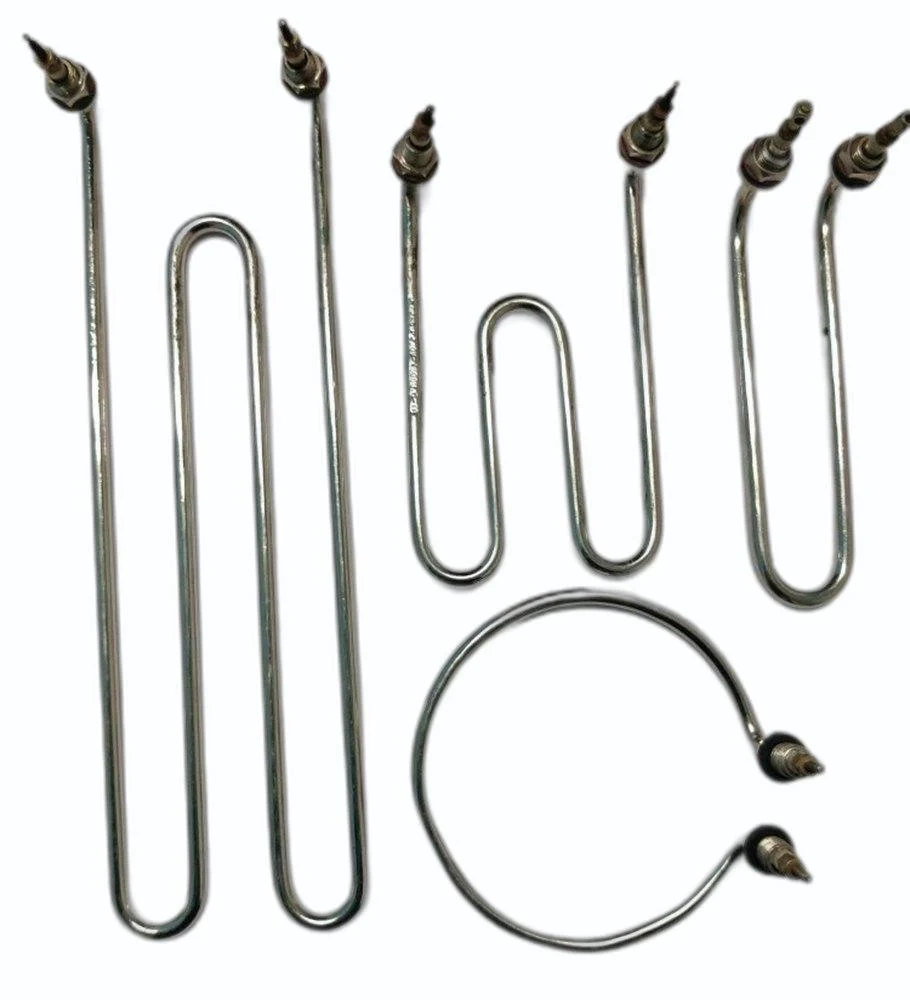
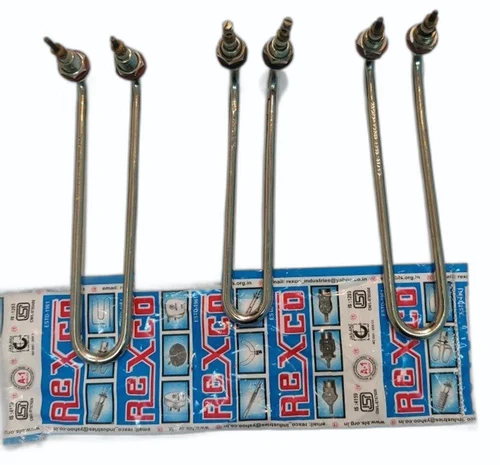
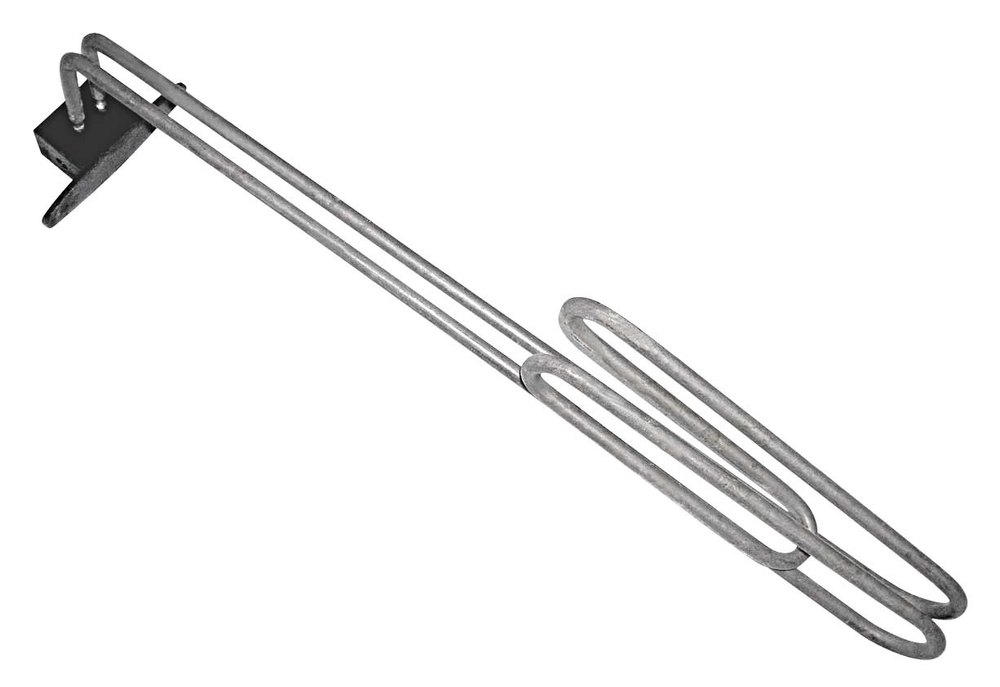
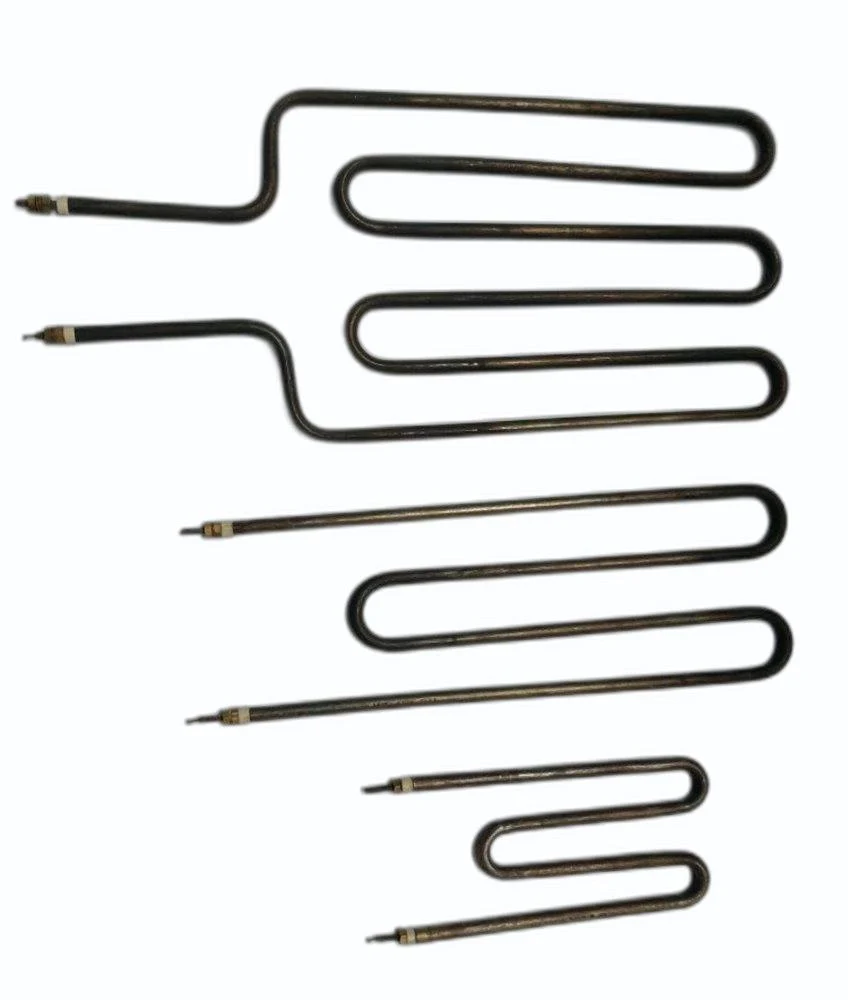
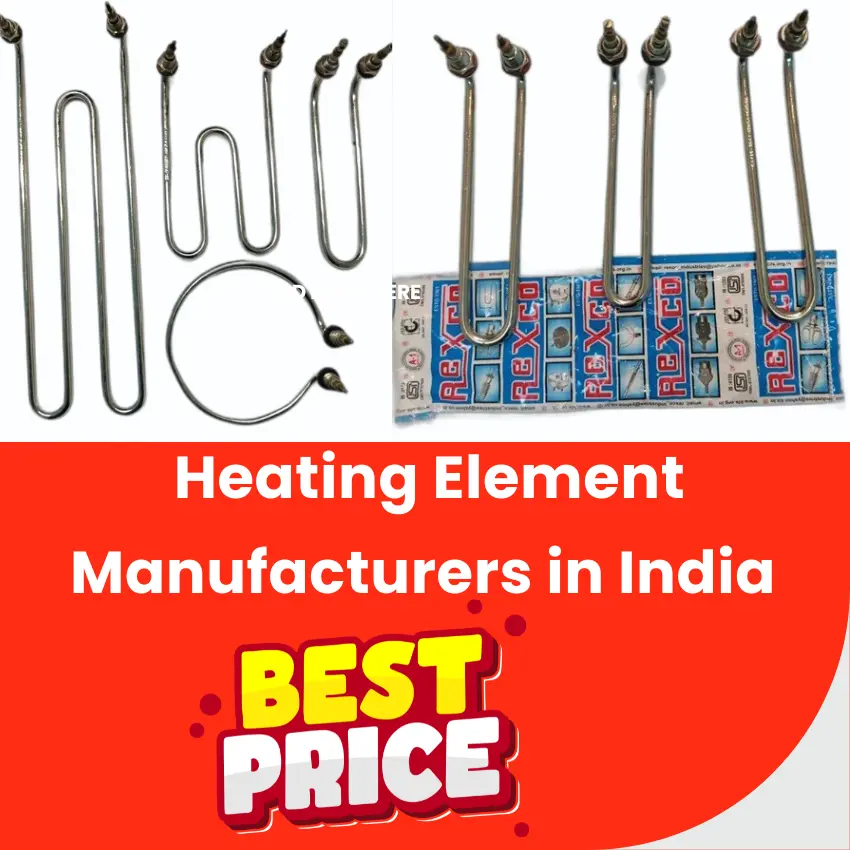
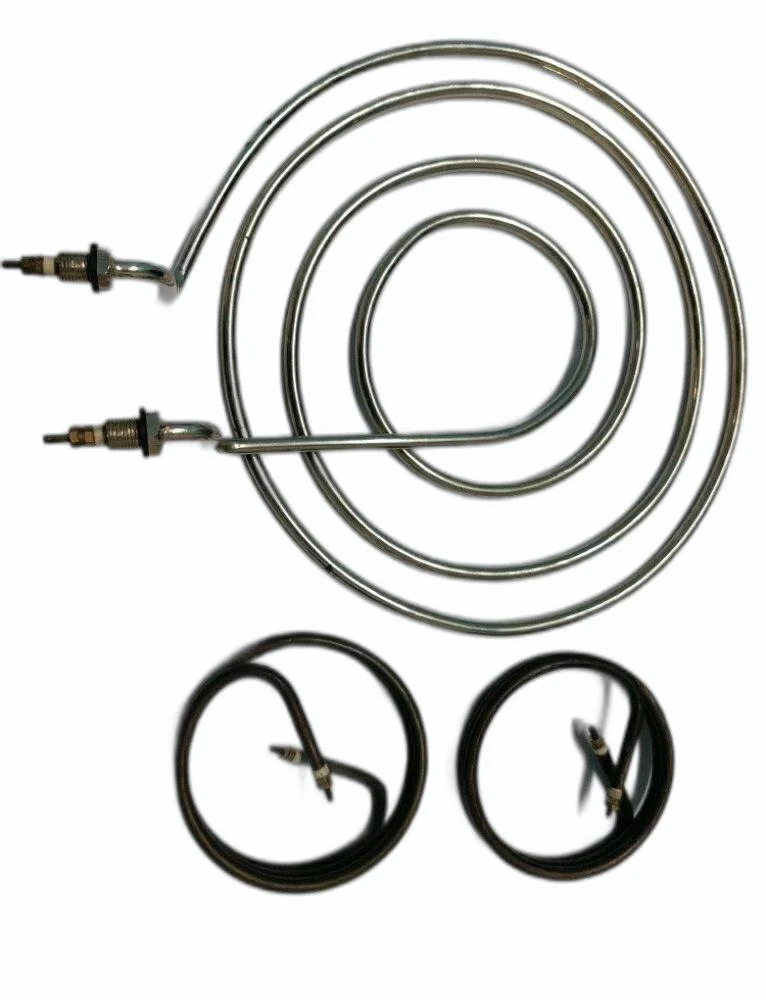
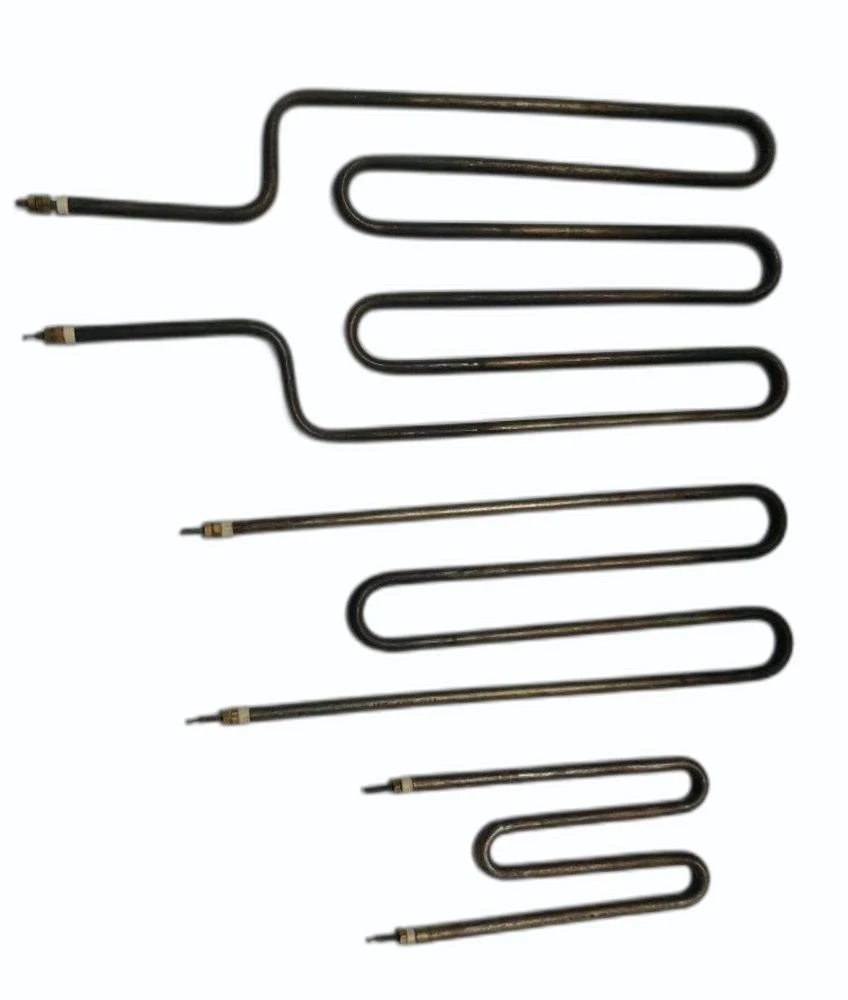
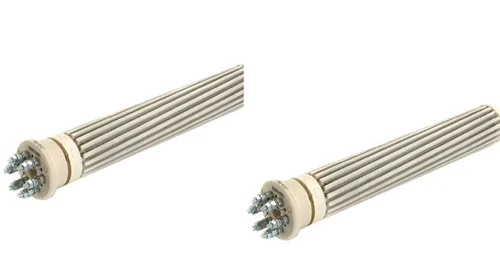
| Element Type | Tubular / Immersion / Finned / Coil / Cartridge |
| Mounting Type | Threaded / Flange / Clamp / Bracket |
| Temperature Range | Up to 750°C (model & use-case dependent) |
| Control Compatibility | Thermostat / PID / Thermocouple support |
| Safety Features | Earthing provision, insulation, optional thermal cut-off |
Product Details
What factors determine the price of electric heating elements?
If you're searching for "electric heating elements price," your usual intent is to get an idea of the exact cost and choose the best option for your application. The price of a heating element is not fixed—it varies depending on multiple factors such as power rating, material, shape, mounting, and operating temperature.
Price Factors that influence the cost
- Wattage (kW rating): Higher power requires more material and coil capacity—the price generally increases.
- Material (SS/Incoloy): SS 304 is economical, SS 316 is better for corrosion resistance, and Incoloy is used in high-temperature and harsh conditions—it is usually a premium option.
- Type of Element: Tubular, immersion, finned, cartridge, coil—each type has different manufacturing processes and applications, therefore the pricing differs.
- Mounting: Threaded vs. flange—flange elements are heavy-duty and may cost more.
- Customization: Special bending, exact length, terminal type, special insulation, protective coating—customization increases the price.
A simple method for selecting the right element
Clearly define your requirements: heating medium (water/air/oil), tank/duct size, required temperature, voltage supply (single/three phase), and installation type. If the water is hard or there is a risk of corrosion, choosing SS 316 would be better. In air heating, a finned element improves efficiency, while for liquid heating, immersion/tubular elements are best.
Best Use Cases
- Water tanks, geysers, boilers
- Industrial ovens, dryers, hot air ducts
- Oil heating systems & process vessels
- Packaging, food processing, pharmaceutical machines
Customer Reviews
No reviews yet. Be the first to review this product!
.webp)